


The LED holiday lighting industry is experiencing unprecedented transformation. As we move through 2026, B2B buyers in the United States and Europe are facing new decisions that go beyond simple price comparisons. Smart technology integration, sustainability mandates, and evolving consumer preferences are reshaping what commercial buyers need from their LED lighting suppliers.
For procurement managers, distributors, and retail buyers, understanding these trends isn’t optional—it’s essential for staying competitive in a market projected to reach $15.8 billion globally by 2027.
Trend 1: Smart & Connected Lighting Systems
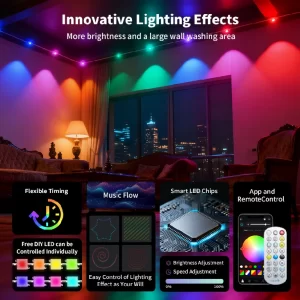
The era of standalone string lights is ending. Today’s commercial buyers are demanding smart LED holiday lights with app control, voice activation, and automation capabilities.
What B2B Buyers Should Look For:
- WiFi and Bluetooth connectivity for remote management
- Integration with major smart home platforms (Alexa, Google Home, Apple HomeKit)
- Programmable lighting zones for commercial displays
- Energy monitoring features for large-scale installations
Commercial clients—especially hotels, shopping centers, and municipalities—want centralized control over thousands of light fixtures. Suppliers who offer scalable smart solutions command premium pricing and stronger customer loyalty.
Trend 2: Sustainability & Energy Efficiency
European buyers face particularly strict regulations under the Ecodesign Directive, while US buyers are increasingly pressured by corporate ESG commitments. Energy-efficient LED lights are no longer a selling point—they’re a baseline requirement.
Key Specifications to Demand:
- Minimum 80% energy savings vs. traditional incandescent
- RoHS and CE certification for European markets
- UL listing for US commercial installations
- Recyclable packaging and reduced plastic use
- Minimum 50,000-hour lifespan ratings
Sustainable products reduce total cost of ownership and protect buyers from future regulatory changes.
Trend 3: Commercial-Grade Durability
The line between consumer and commercial products is blurring, but serious B2B buyers know the difference. Commercial LED string lights must withstand harsh conditions that residential products never encounter.
Essential Durability Features:
- IP65 or IP67 waterproof ratings for outdoor use
- UV-resistant coatings to prevent yellowing
- Reinforced connection points and strain relief
- Operating temperature ranges from -40°F to 140°F (-40°C to 60°C)
- 3-5 year commercial warranties (vs. 1 year consumer standard)
Trend 4: Customization & Private Label Opportunities
Generic products are commoditizing rapidly. Forward-thinking buyers are seeking custom LED lighting solutions that differentiate their offerings.
Customization Options to Explore:
- Private label packaging and branding
- Custom color temperatures and RGB configurations
- Bespoke length and bulb spacing specifications
- Co-developed products for specific market segments
- White-label smart control platforms
Customization creates switching costs and builds supplier partnerships rather than transactional relationships.
Trend 5: Supply Chain Transparency & Reliability
Post-pandemic supply chain disruptions taught B2B buyers a harsh lesson: the lowest price means nothing if products don’t arrive on time. Supply chain transparency has become a key selection criterion.
What to Ask Potential Suppliers:
- Where are manufacturing facilities located?
- What’s the typical lead time for bulk orders?
- Do they maintain safety stock for peak season?
- Can they provide real-time order tracking?
- What’s their defect rate and return policy?
Making the Right Choice for Your Business
The LED holiday light market offers tremendous opportunity, but only for buyers who choose their partners wisely.
For Distributors: Prioritize suppliers with strong customization capabilities and reliable inventory.
For Retailers: Focus on smart features and sustainability certifications.
For Commercial Installers: Demand commercial-grade durability and comprehensive warranties.
For Municipal Buyers: Require full compliance documentation and energy efficiency certifications.
Conclusion
The LED holiday lighting industry in 2026 rewards informed buyers who look beyond unit price. Smart technology, sustainability, durability, customization, and supply chain reliability are the five pillars of successful procurement decisions.
At GV Lighting, we’ve built our manufacturing capabilities around these exact trends. Our commercial-grade LED solutions meet US and European standards, offer smart connectivity options, and come with the supply chain transparency that modern B2B buyers demand.
Ready to discuss your 2026 holiday lighting procurement? Contact our B2B sales team for a consultation tailored to your specific market and requirements.